
Local Media Empire Review
Can AI Really Build You A Local Newsletter Business?
Local newsletters are having something of a moment, quietly. Small towns and city neighborhoods that lost their local paper years ago are now getting their news by email, and a wave of independent publishers has stepped in to fill that gap.
That's the opportunity that longtime marketer Chad Nicely created Local Media Empire for. It is sold as a done-for-you system that will allow almost anyone to start and run a local newsletter. The content side is powered by AI, while the monetization side is coupled with a built-in local business directory.
This Local Media Empire review will walk you through exactly what you get, the cost and the options to purchase. This is a multi-step funnel, and the purchase method determines what you get.
Local Media Empire Review - Inside The Member's Area
This is the member's area once you login.
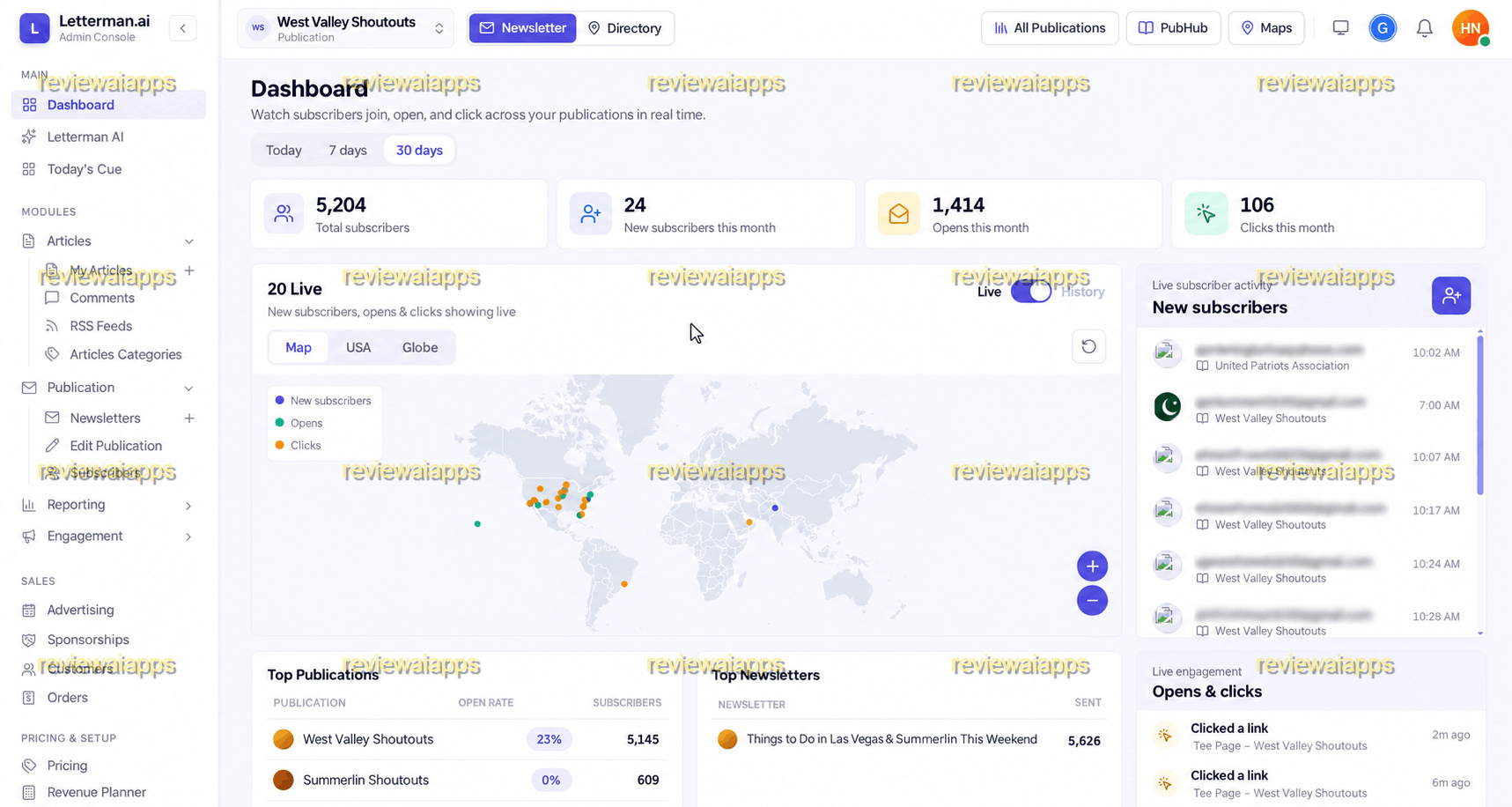
At any time, you can keep in loop with published articles and see how they perform on publication networks.
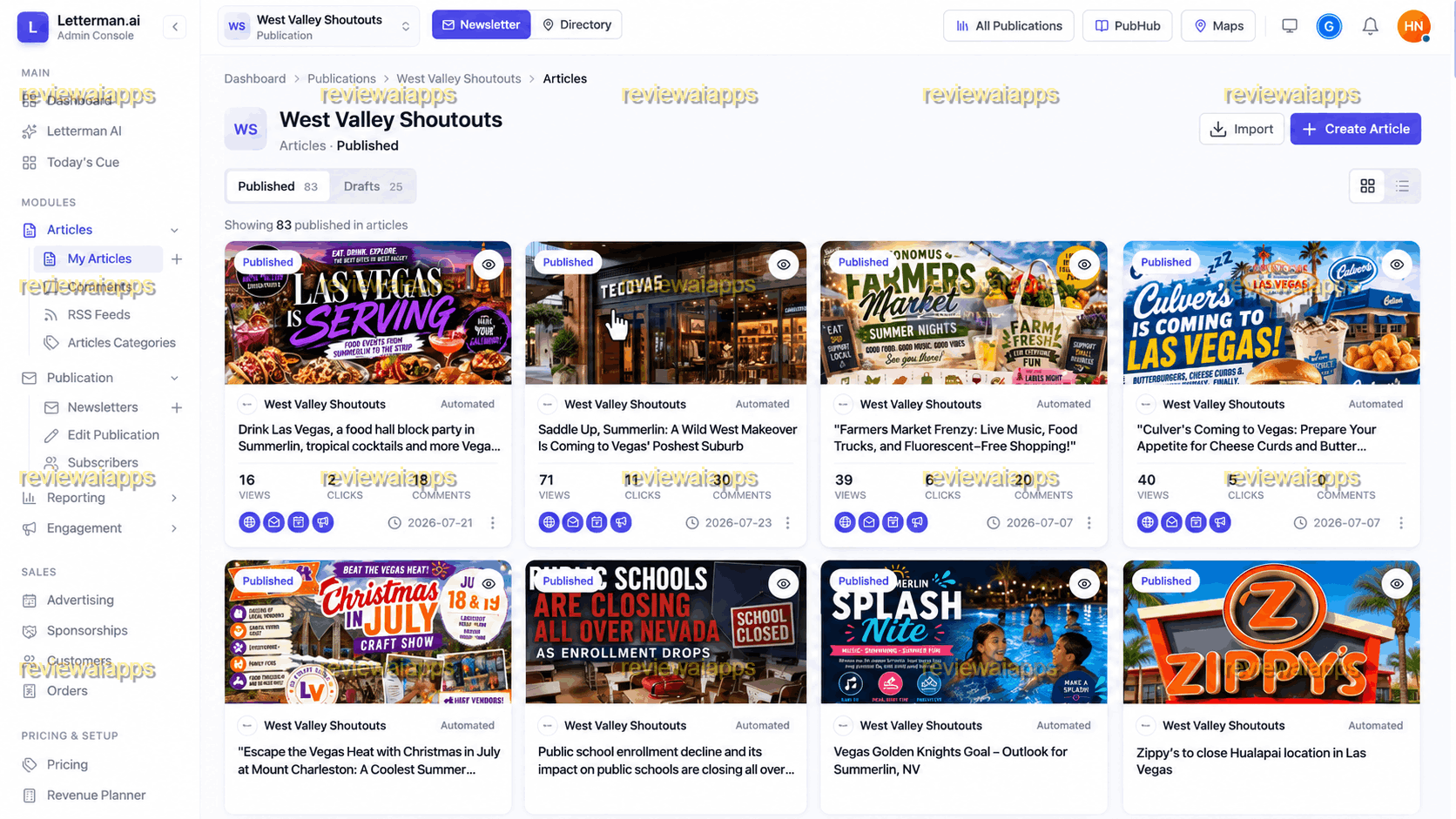
1. Network Discovery
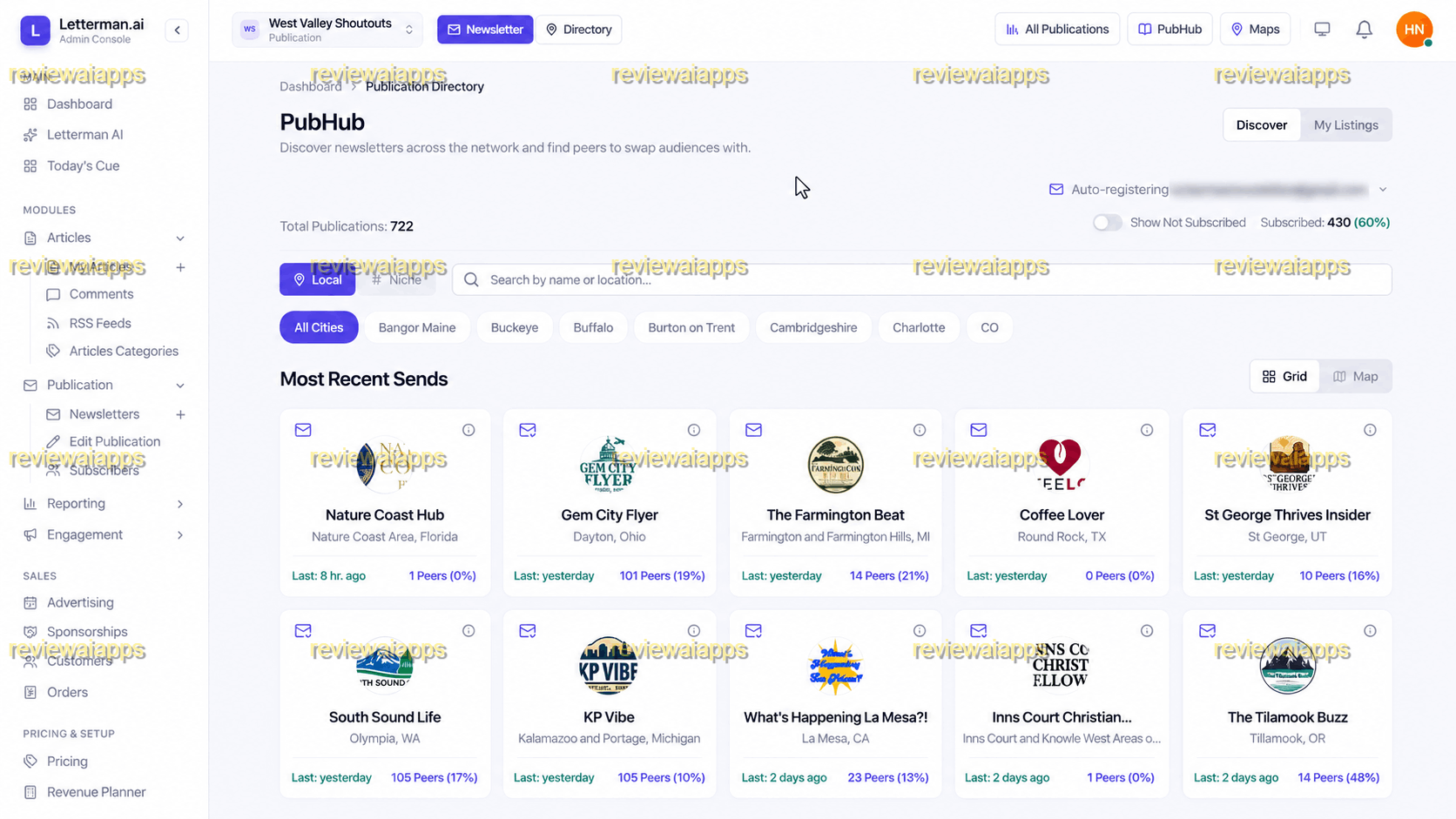
Basically, there are wide ranges of untapped news networks that we typically don't know, but they works well and shall bring virality for us.
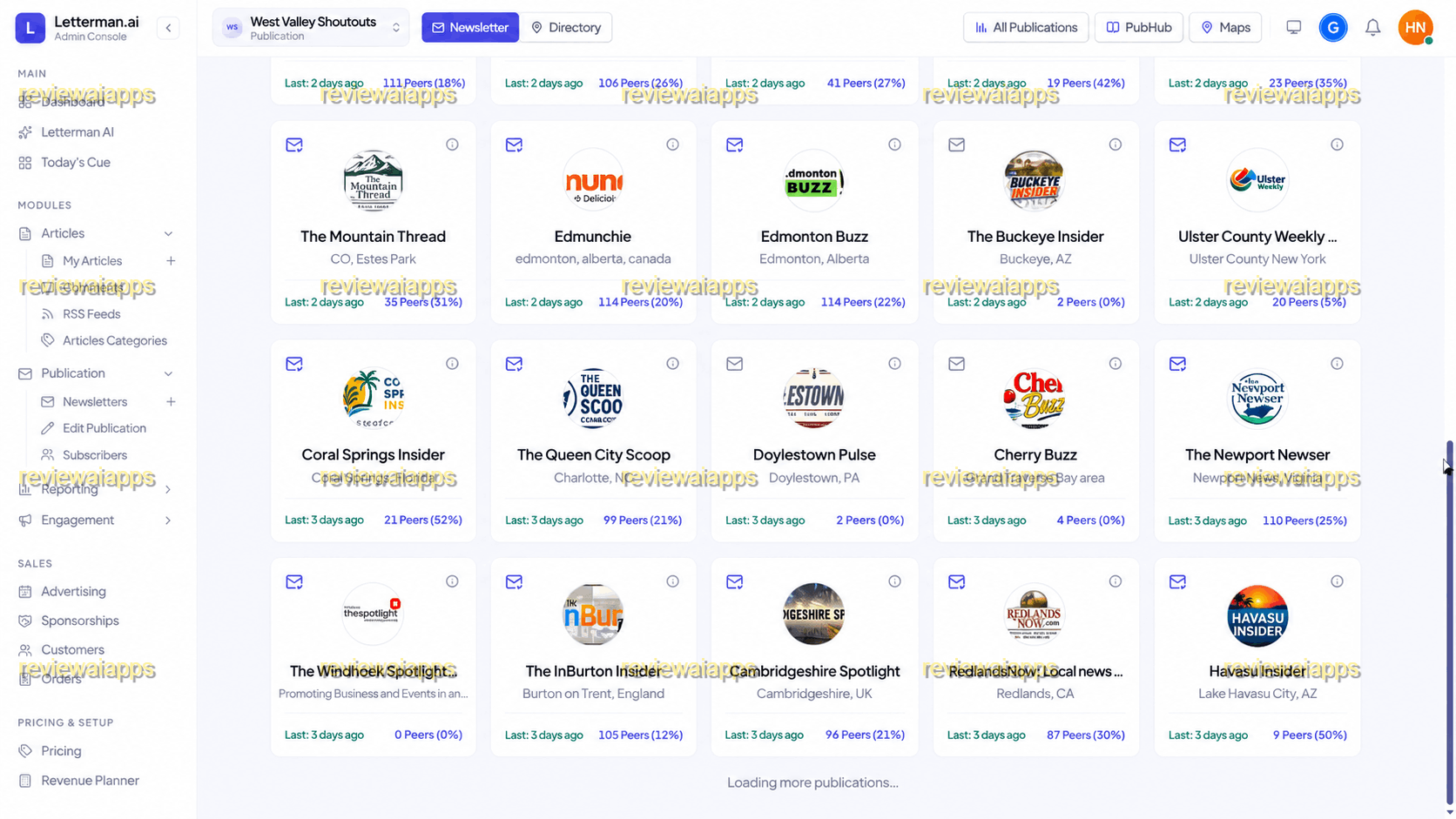
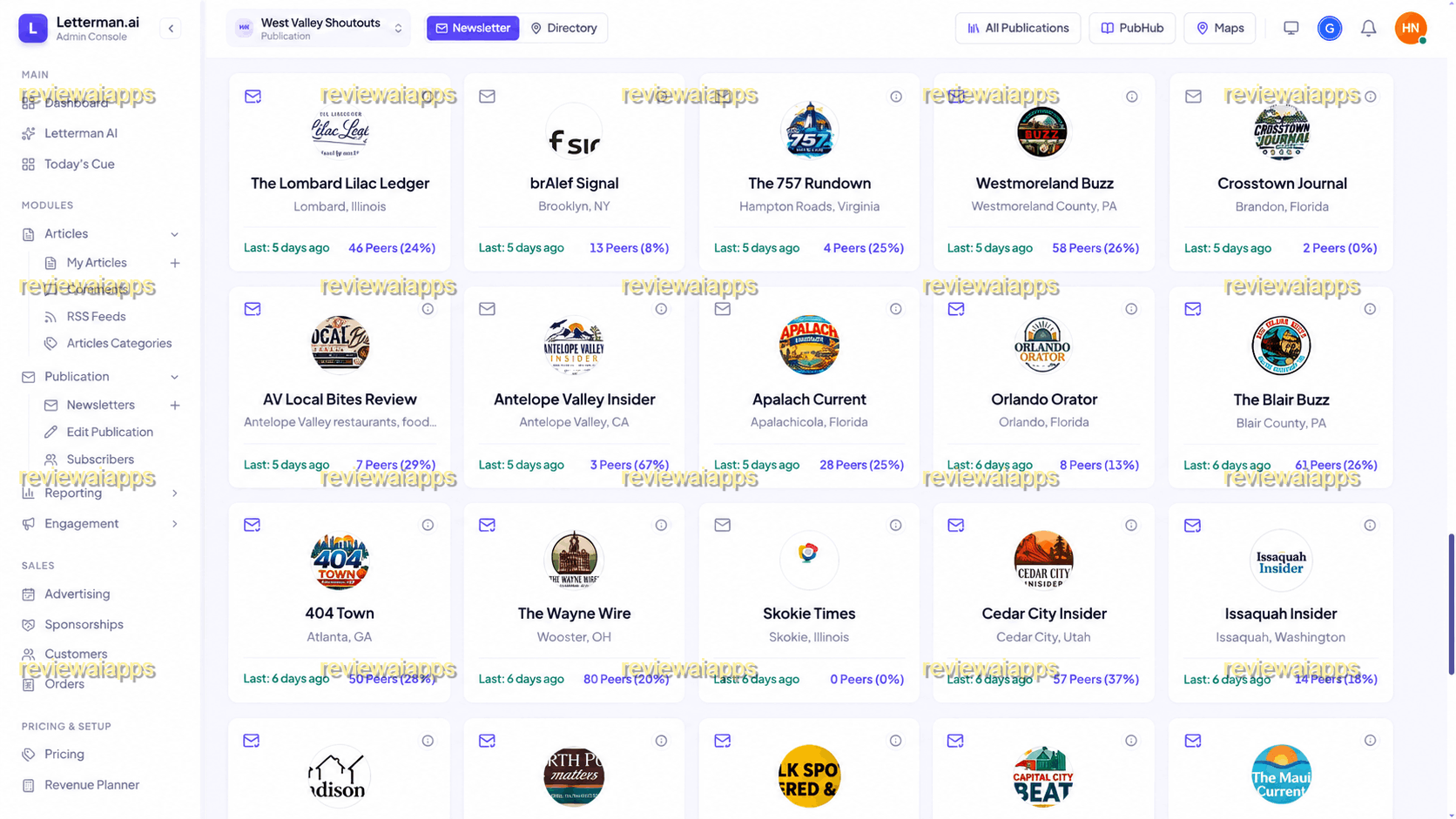
Your job is to pick any of those networks, so, you have a place to publish, and then you curate, create article with AI to publish in those later.
2. Listing Articles
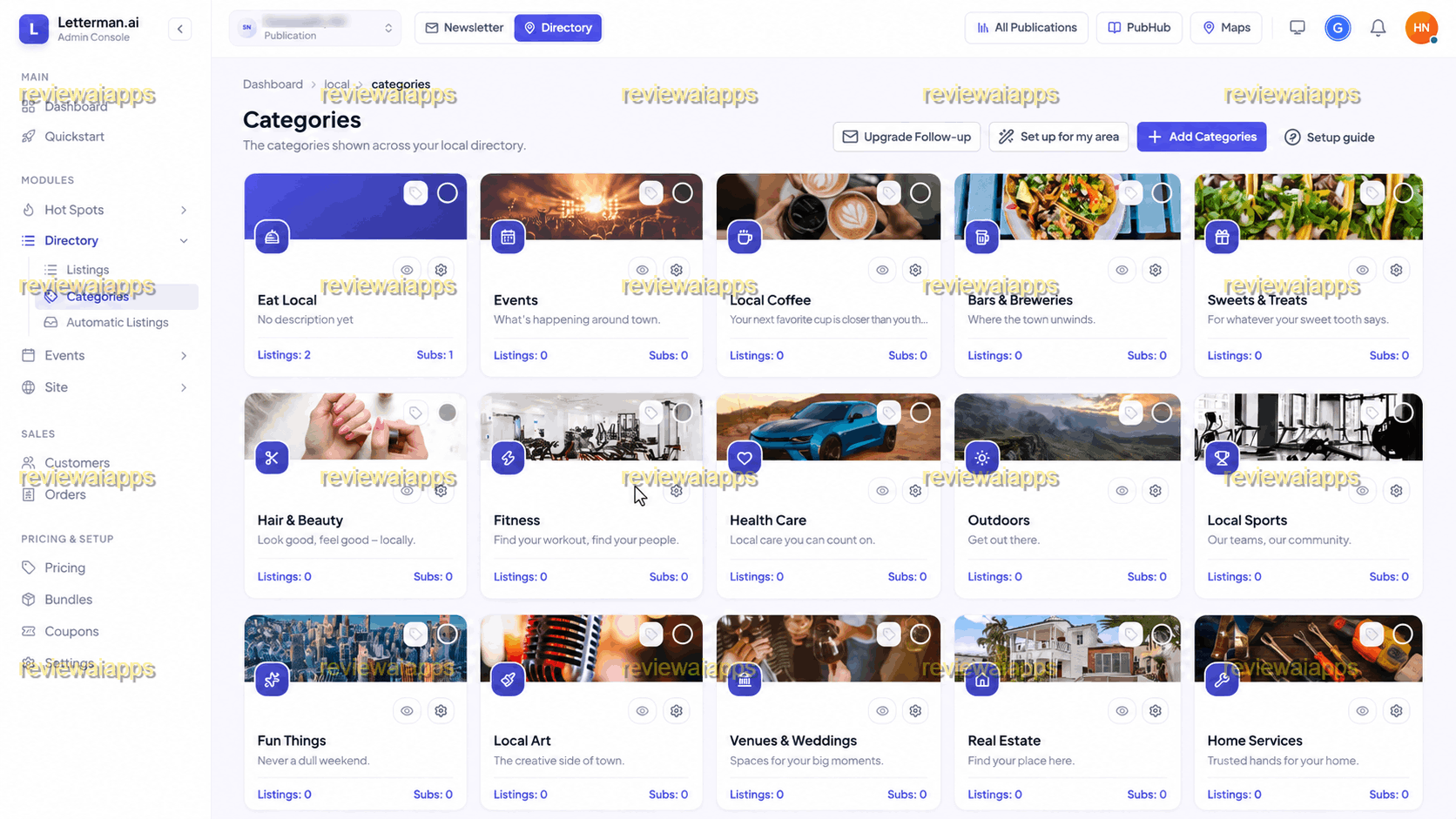
There are some categories that work well for local media content, just pick them for you. Or you can import your own (if you want)
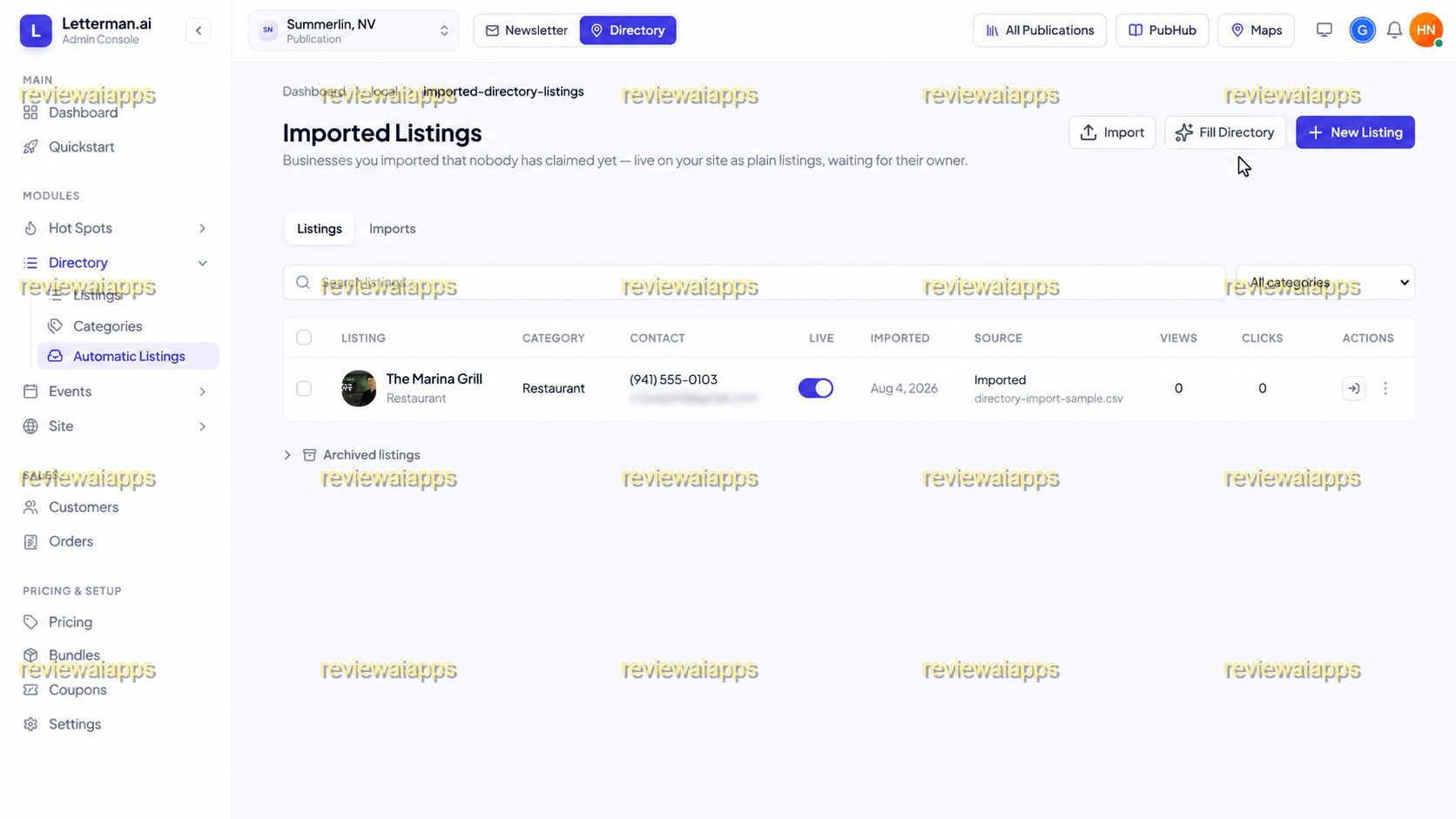
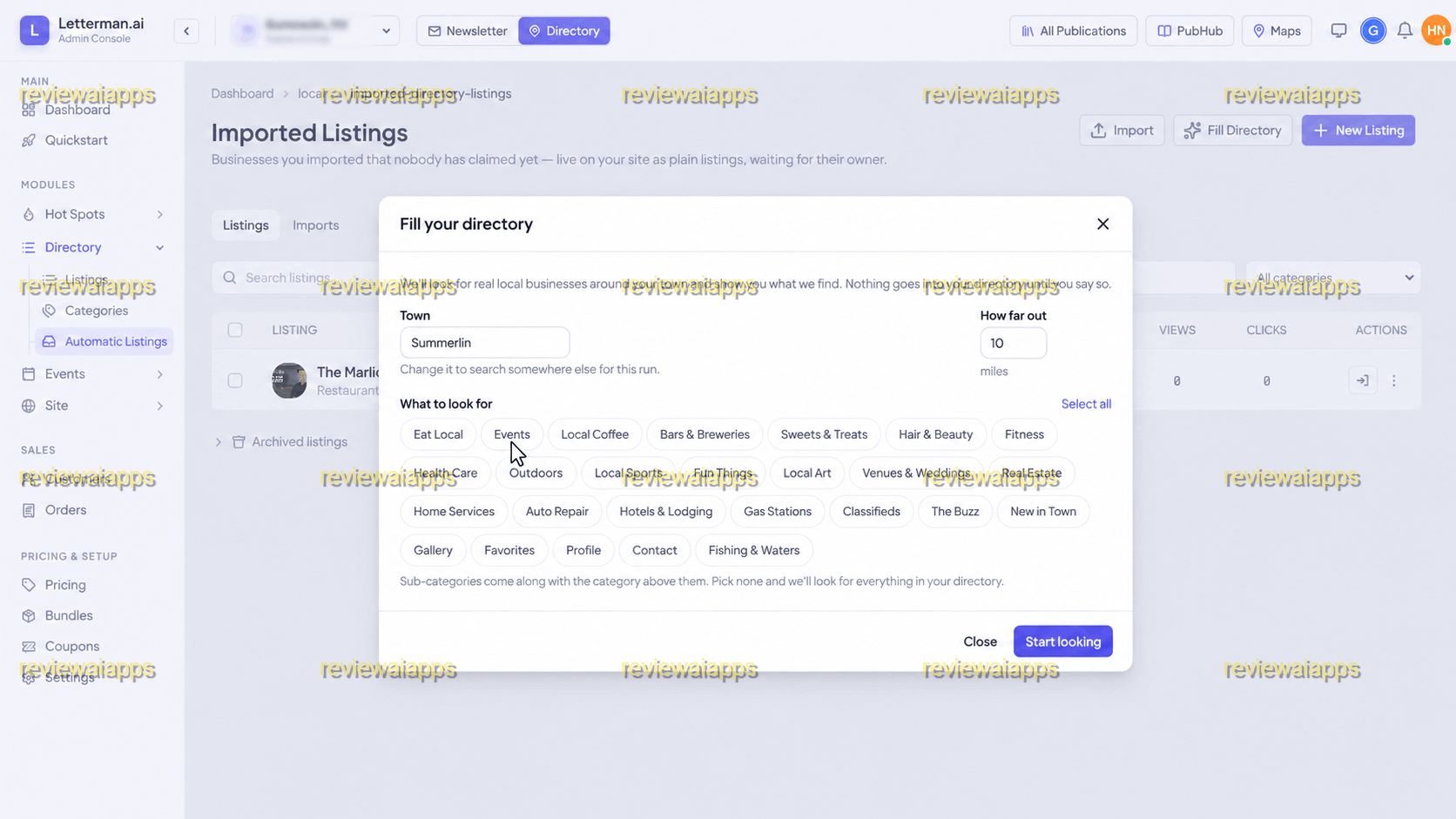
And, you can choose automatic listing option to fetch which type of content to display and post later.
The Front End And What It Really Unlocks
The Basic Version is the gateway to LocalMediaEmpire, priced at 37 dollars as a one-time payment. This level gives you the core newsletter engine: a drag-and-drop editor for building the newsletter itself, the AI content assistant that can draft articles from a topic, a link, or a set of keywords, along with basic scheduling and sending. That's enough to actually spin up a newsletter and start publishing content without ever touching code or hiring a content writer. It's a real working starting point and not a stripped down demo, which isn't always the case with front end offers in this space.
Order Bump / Upsell One: Pro Upgrade
67 dollars is the first upsell and this is where you get the networking side of the product. This gives you access to referral widgets, subscriber swap tools and co-registration features that let your newsletter cross-promote with other newsletters running the same system. This means in practice you are no longer purely growing your subscriber list off your own traffic. You get access to a directory of other publishers open to swapping audiences, which is usually one of the harder problems in newsletter growth to solve on your own. If you skip this upgrade you get the AI writing and sending tools from the front end but you don't get the built in growth mechanism that the rest of the funnel is really selling.
Upsell Two / Order Bump: The Local Advertizer Tools
The second upsell is $97 and it switches the focus from content and growth to monetization. This tier adds the tools you need to sell advertising and sponsorship placements to local businesses inside your newsletter, plus the order and customer management screens to actually process those sales. You can publish a newsletter and grow a list without this upgrade, but you don't have a built-in way to turn that list into local ad revenue through the platform itself. This is arguably the most directly relevant upsell to the "build a media business" pitch, because a newsletter without a sales mechanism is really just a content hobby.
Order Bump / Upsell Three: Local Listing
The third upsell is the most feature-packed of the three, at $197. It adds a full local business directory to your publication, with an automated discovery tool that searches for real businesses near a chosen town and lets you pull them into your directory as listings. If listings were imported in this way, business owners can claim them later. This makes your newsletter more of a local search-and-discovery product than just a mailing list, and it's also a secondary monetization angle, as you can sell directory listings, featured placements, etc. separate from newsletter ad space.
The Bundle Route
Buyers are also shown a bundle that costs $297 that includes everything from the Pro Upgrade, the Local Advertizer tools, and the Local Directory all in one purchase, rather than deciding on each of those three upsells individually. Buying all three individually would cost you 361 dollars, so the bundle is priced as the cheaper, easier route for anyone who already knows they want the full system rather than testing the waters with the front end alone. The real practical difference between the two paths isn't about features, since both paths get you to the same finished toolkit. That said, it's a question of whether you'd rather commit once for a small discount, or start at 37 dollars and then decide on each piece as you go.
What A LocalMediaEmpire Does
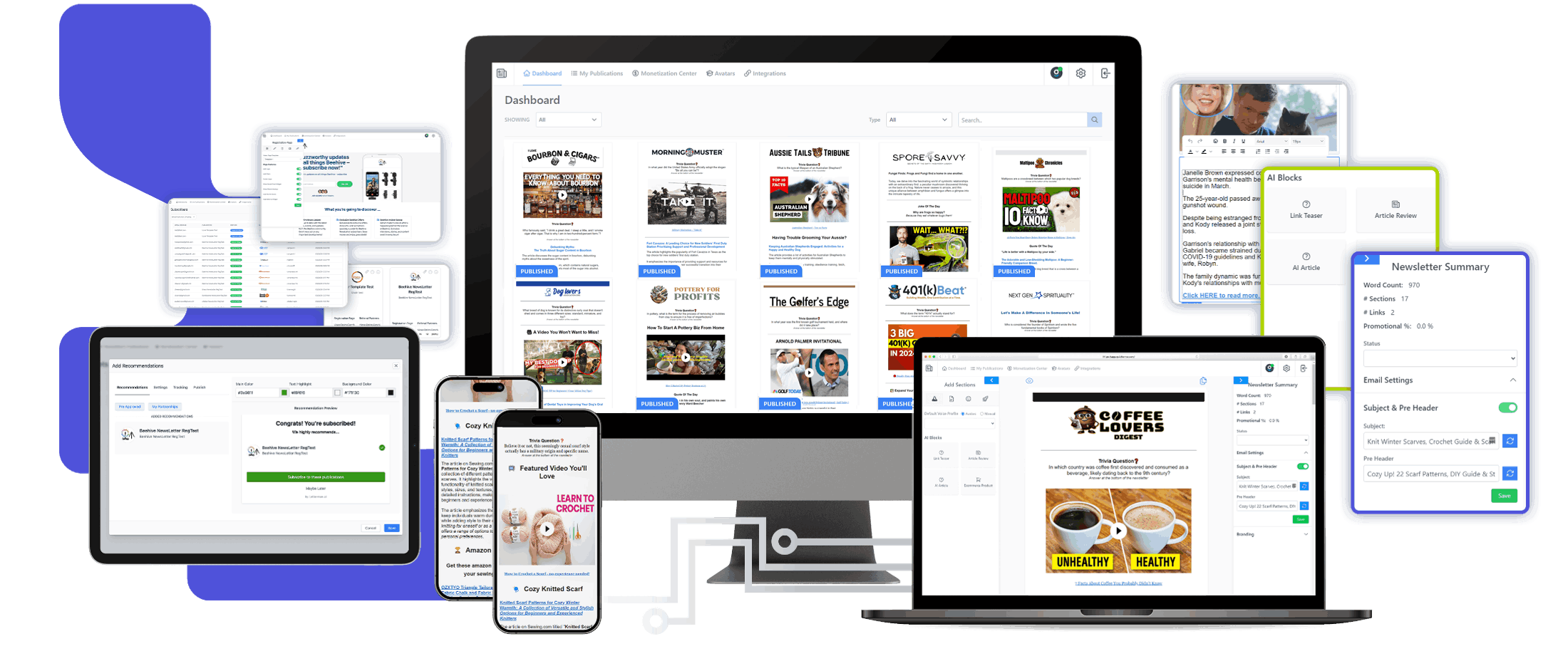
You pull out the funnel and the basic idea is pretty simple. It's software to run a local newsletter as a small media business with the AI doing the heavy lifting on content and the platform doing the heavy lifting on business tooling. Inside the dashboard, you create a thing called a publication that's connected to a specific town or area. From there, the AI content engine can draft newsletter articles based on local topics, whether that is a new restaurant opening, a community event, an update on local sports or civic news such as school enrollment changes. They're not just generic spammy filler posts, they read like local-focused news items, and they get scheduled and sent out through the platform's own email delivery system.
Another thing that comes along with the newsletter is local business directory. The automated discovery feature lets you point the tool at a town and a search radius, and it goes out and finds real, existing local businesses in categories like restaurants, home services, fitness or retail. You don't publish anything without your approval first. You're curating a directory here, not blindly dumping in scraped data. Business owners can then claim their own listing which opens the door to upselling them on featured placement or advertising once they are engaged.
On the analytics side, we have a live dashboard that tracks subscribers, open rates, and click activity. We also have a map view that shows in realtime where new subscribers and engagement are coming from. That visibility is important for anyone running this as a business rather than a hobby, it's the same kind of data you would expect from a proper email marketing platform, not just a bolt-on stat counter.
The newsletter editor itself deserves a mention, as this is the part of the product you will spend the most day to day time in. Building an issue is just about inserting content blocks, the AI generates the article text from a topic or source link, then you tweak colors, fonts, and layout to whatever brand look you want for that publication. Besides plain articles, a number of content block types are supported, such as short link-teaser blocks and small engagement add-ons (like trivia questions) that are an easy way to keep open and click rates healthier over time. You don't need to connect an external autoresponder for any of this, as the platform has its own email delivery system.
Getting Started: What the First Stretch Looks Like
Setup starts with selecting a town or region to anchor your publication, which becomes the focus for the AI content angle and the directory search radius. A directory with a handful of real, relevant listings gives you something concrete to show when you start reaching out to local business owners about advertising. The natural first step from here is to run the business discovery tool to pull in a starting batch of local businesses. At the same time, the AI content tools allow you to have a first few newsletter issues drafted and scheduled without having a backlog of original writing ready to go.
The realistic time frame is weeks, not hours. You can get the software configured and get a first issue out the door in an afternoon. You will need to put in a weekly effort, whether it is your own local marketing, the cross-promotion network that comes with the Pro Upgrade or both, to build a large enough subscriber list and a directory that is populated enough to make local ad sales worthwhile. If you're comparing this to tools that promise results with zero ongoing input then do so with that expectation adjusted accordingly.
The cross-promotion part is unlocked with the Pro Upgrade, linking your publication to a much larger network of other publishers using the same system, sorted by city and niche. You can also find other local newsletters that are willing to swap subscriber exposure with you, which is a meaningfully different growth channel than paid ads or organic content alone, rather than just growing your own marketing.
Who This Is For
Local Media Empire is not for people looking for a quick one-off payout. Local Media Empire is for people who want to build a recurring local audience and eventually monetize it with advertising. That distinction is important because it helps define what a realistic outcome is. This is the way this thing was designed to be used. You pick a town, start a newsletter, let the AI churn out a steady stream of content, and then spend some real time reaching out to local businesses about sponsorships. But if you buy it thinking the software itself will make you money without doing any work, then you will be disappointed. But, this is not a failing of this product, it is the same for pretty much any tool in this category.
It's also worth stating that a directory of AI-discovered businesses and an AI-drafted newsletter are a starting point, not a finished product. Businesses still need validation and direct engagement. AI-produced content still needs a human pass to ensure it sounds right for the particular town it's covering. The tool removes a lot of the manual setup and writing labor; it doesn't remove the work of actually running a local media outlet.
An Analysis Of The Claims
LocalMediaEmpire leans on some pretty bold numbers in its marketing, and a handful warrants a second look before you take them at face value. Claims of affiliate earnings on this launch talk about commissions as high as several hundred dollars per sale, but that is only if a buyer buys the front end and every upsell, which is a best case scenario, not a typical one. If you're looking at the product itself, and not the promotion around the product the more useful number is simply the actual added up price across the funnel, which is what is broken down above.
The bigger claim to look at is the claim this is a "battle-tested" system not a new, untested build. Judging by what can be seen in the working product, that claim stands up better than most launch copy. The dashboard, the directory tooling, the newsletter engine all feel like mature, already used software, not something cobbled together for this release. And that's a genuinely positive sign in a space where plenty of launches are little more than a thin wrapper around a single AI prompt. And another question, which no sales page can really answer, is whether "battle-tested" means "will continue to be actively supported going forward."
The Real Danger You Should Know
The most honest warning here is not whether the software works. It sure does. It's about what happens after the launch period is over. A product like this has two things it needs to keep it alive in the long run: ongoing vendor support and product enhancement, and an active enough cross-publisher network to make subscriber swaps useful. Software in this space is historically well supported during the launch phase, and then less so when the affiliate rush moves on to the next release. It's not a sure bet here, just a pattern to look out for, and it's the one biggest factor between "great tool" and "great tool that quietly stops getting updated."
Speaking of AI-powered newsletters, it's worth noting that Local Media Empire isn't the only AI-assisted newsletter with an integrated referral network to grow subscribers. There are existing newsletter services with similar recommendation-style growth tools on top of platforms with a longer track record of independence. That doesn't make Local Media Empire a bad option, but it's a valid point of comparison for anyone weighing a one-time software purchase against an established ongoing subscription service, especially given how much directory and local-advertiser tooling is bundled directly into it.
The second, less discussed risk, is on the buy side, not the vendor side: local ad sales is a relationship business, not a software feature. The platform can locate businesses, list them and enable an owner to claim their listing but closing an actual sponsorship deal still means picking up the phone or walking into a storefront and making a pitch. No matter how good the software, the buyers who view the directory and advertizer tools as the entire solution, rather than the infrastructure that supports a sales effort they still have to make themselves, are the ones most likely to end up disappointed with the return on a purchase like this.
How This Stacks Up Versus Building It Yourself
Honestly, it's worth asking what stops someone from just doing this manually: Choose a free or low-cost newsletter tool, write the content by hand or with a general AI writing tool, and build a spreadsheet of local businesses instead of a formal directory. There's nothing wrong with that approach, and for a single newsletter with no desire to scale it can work well. Local Media Empire's value proposition is in the bits that are painful to do manually: automated local business discovery that saves hours of manual research, a built-in directory with claim functionality that gives businesses a reason to engage directly, a cross-publisher swap network that would otherwise require cold outreach to dozens of other newsletter owners, and a consolidated sales dashboard that tracks subscriber growth and ad revenue in one place instead of spread across disparate tools. None of that is impossible to assemble manually. It's just slower and speed matters when the entire pitch is about building a local media business and not just a one-off newsletter side project.
The Bottom Line
Local Media Empire deserves credit for being a real, working piece of software that's built around a genuinely useful idea: local communities want local news, and a well-run newsletter with a built-in business directory is a reasonable way to serve and monetize that audience. The AI content generation, the automated directory discovery, and the subscriber analytics all do what they say on the tin and are not just marketing screenshots. Pricing is also fairly reasonable beyond the funnel format, with a genuinely usable entry point at 37 bucks and a sensible bundle option for anyone who wants the full toolkit without three separate purchase decisions.
The bottom line of this Local Media Empire review is that the software is a good choice for someone who really wants to run a local newsletter as an ongoing project, is comfortable putting in real effort on outreach to local businesses, and is realistic about the platform-dependency risk that comes with any one-time-purchase software tool. For anyone expecting to flip the switch on the passive income and not do anything else, it's not a good fit. It's a tool, not a promise, but it does what it says it does and that alone puts it ahead of a lot of what shows up in this part of the launch calendar.